
 By
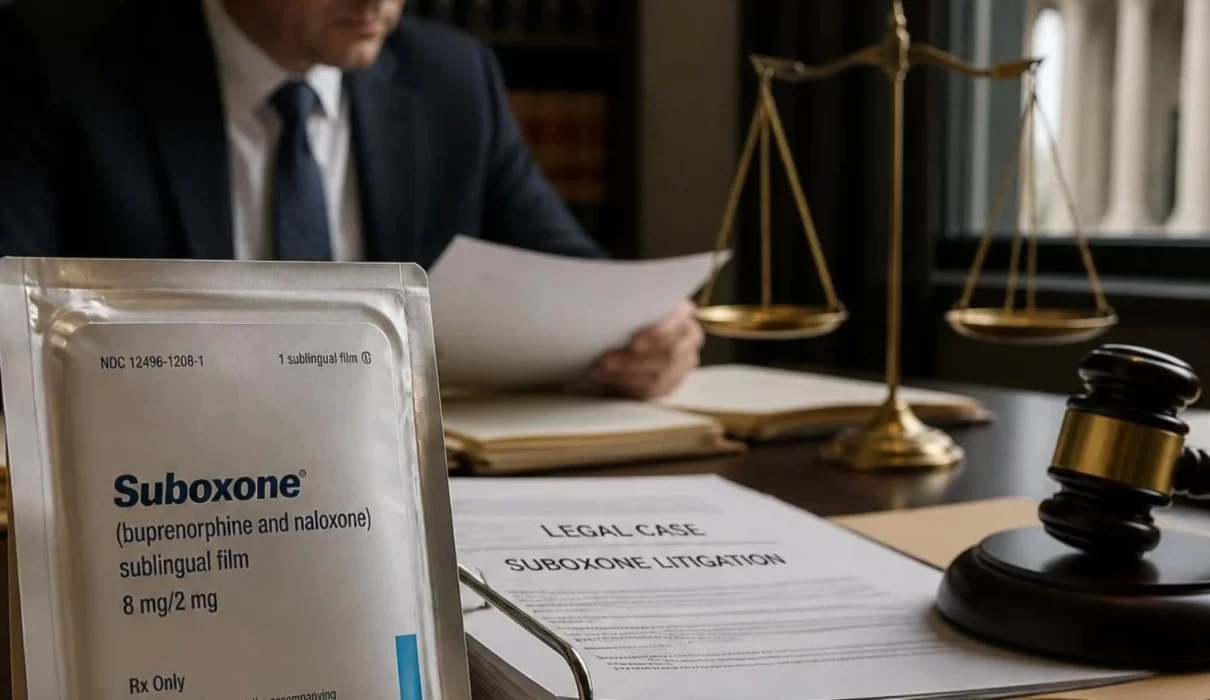
By If you or someone you love used Suboxone to treat opioid use disorder and later developed serious dental problems, you are not alone. Thousands of people across the country have filed a claim alleging that the medication’s film formulation contributed to severe tooth decay, enamel erosion, and tooth loss. These cases have been consolidated into federal multidistrict litigation, and the number of filings has continued to grow as more people learn about the alleged connection between Suboxone and dental injuries.
This article breaks down what this litigation is about, why it was filed, where things currently stand, and how to think through the question so many people are now asking: can i still apply for suboxone lawsuit. As with any pharmaceutical litigation, the specifics of eligibility, deadlines, and compensation depend on individual circumstances, applicable state law, and the current status of the multidistrict litigation, so this guide is meant to inform, not to serve as legal advice.
Overview of the Suboxone Lawsuit
Suboxone is a prescription medication combining buprenorphine and naloxone, commonly prescribed to help patients manage opioid use disorder. It is available in several forms, including a dissolvable sublingual film that is placed under the tongue or against the cheek. According to publicly available court records, plaintiffs allege that the film formulation is highly acidic and, when dissolved daily against the teeth and gums, can significantly increase the risk of tooth decay, cavities, enamel erosion, and eventual tooth loss.
This litigation is not a single case but a growing collection of individual product liability claims that have been centralized for pretrial proceedings. This consolidated litigation is formally known as In re: Suboxone (Buprenorphine/Naloxone) Film Products Liability Litigation, and it is being overseen in the U.S. District Court for the Northern District of Ohio. Consolidating similar cases into one multidistrict litigation, often called an MDL, allows courts to manage shared evidence, expert testimony, and pretrial motions efficiently while still preserving each plaintiff’s individual claim.
Suboxone litigation has expanded steadily since the first cases were filed, and according to public litigation trackers, the MDL has included well over a thousand pending cases through much of 2026. It is important to understand that pending case counts change from month to month as new complaints are filed and others are resolved or dismissed, so anyone researching this litigation should look for the most recent publicly available updates.
Why Have Suboxone Lawsuits Been Filed?
Suboxone lawsuits have been filed primarily on a product liability and failure to warn theory. In broad terms, the complaints allege that:
- The manufacturers knew or should have known that the acidic nature of the sublingual film, combined with reduced saliva production associated with buprenorphine use, created a heightened risk of dental damage.
- Patients and prescribing physicians were not adequately warned about this risk on the original product labeling.
- Many patients used Suboxone film exactly as prescribed and still developed significant, sometimes irreversible, dental injuries.
- Had adequate warnings been provided earlier, patients and doctors could have considered alternative formulations, such as tablets, or taken preventive dental measures.
The U.S. Food and Drug Administration issued a drug safety communication in January 2022 regarding dental problems reported with buprenorphine containing products, including Suboxone, which led to updated warning labels. Plaintiffs argue that this warning came only after years of patient reports and should have been issued much earlier. It is important to note that a warning label update is a regulatory action, not a court finding of liability, and the allegations in these complaints remain unproven claims unless and until a court or jury reaches a verdict, or the parties reach a settlement.
This is the foundation of the broader Suboxone litigation: a pharmaceutical lawsuit built around manufacturer liability for an alleged failure to warn, rather than a claim that the drug itself is ineffective at treating opioid use disorder.
Alleged Dental Injuries and Health Concerns
The dental injuries described in these filings are often significant. According to court filings and publicly reported case summaries, plaintiffs allege a range of Suboxone tooth decay and related complications, including:
- Severe and rapid tooth decay, sometimes affecting multiple teeth at once
- Enamel erosion and weakening of tooth structure
- Tooth fractures, cracking, or breakage
- Oral infections and abscesses
- Gum disease and recession
- Complete tooth loss, in some cases requiring extractions
- The need for extensive restorative dental work, such as crowns, root canals, dentures, or implants
Plaintiffs describe these dental injuries claims as having a substantial impact on daily life, from physical pain and repeated dental procedures to the financial burden of restorative care that is often not fully covered by insurance. Because these are allegations made in pending litigation, individual outcomes and the strength of any given claim depend on that person’s specific medical and dental history, documented use of Suboxone, and supporting records.
Current Suboxone Litigation Status
As of mid 2026, the Suboxone MDL pending in the Northern District of Ohio, under Judge J. Philip Calabrese, has included well over 1,800 pending cases, reflecting a steady increase from prior years as more plaintiffs came forward. According to publicly available court records, the litigation is currently in the discovery phase, meaning both plaintiffs and defendants are exchanging medical records, dental records, pharmacy records, and other evidence relevant to individual claims.
The court has also been working through a bellwether trial process. Bellwether trials are a small number of representative cases selected from the broader pool of claims and taken through trial first, which helps both sides evaluate how similar claims might be viewed by a jury and can inform later settlement negotiations. According to case management orders entered in the MDL, the court has been narrowing an initial group of cases through a core discovery pool, with a trial pool and final bellwether case selections expected to follow over the coming months. Based on the current schedule reflected in court orders, the first bellwether trial is not expected to begin until several years out.
It is important to state clearly: as of this writing, there has been no publicly announced global Suboxone settlement, and no court judgment or verdict has been reached in the tooth decay litigation. Settlement negotiations, if and when they occur, typically follow bellwether trial outcomes or extended discovery, and any reports of a confirmed Suboxone settlement should be verified against official court dockets or a licensed attorney rather than assumed from secondhand sources.
Can I Still Apply for Suboxone Lawsuit?
This is one of the most common questions people ask once they learn about the litigation, and the honest answer is that it depends. Whether you can still apply for compensation depends on several factors working together, including:
- The statute of limitations in your state. Every state sets its own deadline for filing a personal injury or product liability claim, and these deadlines can range from as short as one year to several years, depending on the jurisdiction.
- When your injury was discovered, or reasonably should have been discovered. Many states apply a “discovery rule,” meaning the filing clock may start when you first learned, or reasonably should have learned, that your dental problems could be connected to Suboxone use, rather than the date you first started taking the medication.
- The current procedural posture of the MDL. Courts overseeing mass litigation sometimes set specific deadlines or case management orders that affect how and when new claims can be added.
- Your individual medical and dental history, including documentation of your Suboxone prescription, duration of use, and the dental injuries you experienced.
Because these variables differ so much from person to person and state to state, no article, website, or online quiz can definitively tell you that you qualify. If you are asking can i still apply for suboxone lawsuit, the most reliable next step is to consult a licensed attorney who handles pharmaceutical lawsuit and drug injury claims. An attorney can review your records, confirm the applicable statute of limitations in your state, and advise whether the current filing window is still open in your specific case.
Who May Qualify to File a Claim?
While eligibility can only be confirmed by a licensed attorney after reviewing your individual circumstances, publicly available information about the Suboxone litigation suggests that potential plaintiffs generally share some combination of the following characteristics:
- They were prescribed Suboxone film, or in some filings, Suboxone tablets or related buprenorphine products, for opioid use disorder treatment.
- They used the medication for a meaningful period of time, often months or years.
- They developed documented dental injuries, such as tooth decay, tooth loss, or related oral health complications, after starting Suboxone.
- They can connect their dental treatment records and prescription history to support their claim.
- Their claim falls within the applicable statute of limitations for their state, or a recognized exception such as the discovery rule may apply.
None of these factors guarantees eligibility on their own, and eligibility criteria are ultimately determined by the specific facts of a case, the applicable law in the relevant jurisdiction, and the rules governing the MDL. Anyone considering a personal injury claim related to Suboxone should treat these as general guideposts rather than a checklist for automatic qualification.
Important Deadlines and Statutes of Limitations
Statutes of limitations are one of the most critical, and most misunderstood, aspects of this litigation. Because each state sets its own deadline for filing product liability and personal injury claims, the amount of time someone has to bring a Suboxone lawsuit can vary significantly depending on where they live and where their treatment occurred.
In general, according to publicly available legal resources, many states apply a filing window that begins either from the date of injury or, under the discovery rule, from the date the injury was or reasonably should have been discovered. Because Suboxone’s dental injury risks became more widely publicized after the FDA’s January 2022 safety communication, some plaintiffs and their attorneys argue that this date is relevant to when certain patients could reasonably have connected their dental problems to Suboxone use. However, courts evaluate discovery rule arguments on a case by case basis, and applying this rule successfully is not guaranteed.
Because filing deadlines are jurisdiction specific and subject to change based on court rulings, this article cannot state a universal deadline for filing a claim. If you believe you may have a case, timing matters, and delaying a consultation with an attorney could risk losing the ability to file altogether, subject to applicable law in your state.
Potential Compensation
People exploring a claim often want to understand what kind of compensation might be available. At this stage of the litigation, there is no confirmed Suboxone settlement, no established settlement fund, and no court ordered compensation amounts. Any specific dollar figures circulating online should be treated with caution unless they are tied to an actual, verified settlement or judgment.
That said, in product liability and pharmaceutical lawsuit cases generally, plaintiffs may seek to recover damages related to categories such as:
- Past and future dental treatment costs, including restorative procedures
- Pain and suffering associated with dental injuries and related medical care
- Lost wages or reduced earning capacity, where applicable
- Out of pocket expenses connected to diagnosis and treatment
Whether any of these categories would apply, and in what amount, depends entirely on the outcome of individual cases, potential future settlement negotiations, or jury verdicts if cases proceed to trial. No attorney or legal resource can ethically promise a specific settlement amount before liability has been established or a resolution has been reached.
How the Legal Process Works
Understanding how this legal process generally unfolds can help set realistic expectations for anyone considering a claim.
- Initial consultation: A prospective plaintiff meets with an attorney to review their Suboxone use, dental injury history, and supporting medical records.
- Case evaluation: The attorney assesses whether the claim appears to fall within the applicable statute of limitations and whether there is sufficient evidence to support a product liability claim.
- Filing the complaint: If the attorney determines the claim is viable, a complaint is filed in the appropriate court, and in many cases it is transferred into the existing MDL for pretrial proceedings.
- Discovery: Both sides exchange evidence, including medical records, pharmacy records, and expert analysis, which can take a substantial amount of time in mass litigation.
- Bellwether trials or settlement negotiations: A small number of representative cases may go to trial to help establish how similar claims might be valued, which can also inform broader settlement negotiations across the litigation.
- Resolution: Individual cases may ultimately be resolved through a negotiated settlement, dismissal, or trial verdict, depending on the strength of the evidence and how the litigation develops.
This process can take months or years, particularly in complex, multidistrict litigation involving thousands of plaintiffs. Patience, thorough documentation, and consistent communication with your attorney are important throughout.
Frequently Asked Questions
What is the Suboxone Lawsuit about?
Can I still apply for Suboxone Lawsuit?
Who may qualify for a Suboxone claim?
What injuries are alleged in Suboxone lawsuits?
Is there a Suboxone settlement?
What deadlines apply to Suboxone claims?
How can I verify the latest Suboxone litigation updates?
Key Takeaways
- The Suboxone lawsuit involves product liability claims alleging that Suboxone’s film formulation contributed to severe dental injuries, including tooth decay and tooth loss.
- These cases have been consolidated into federal multidistrict litigation in the Northern District of Ohio, where they remain in active discovery.
- As of this writing, there has been no confirmed nationwide Suboxone settlement and no trial verdict in the tooth decay litigation.
- Whether someone can still apply for compensation depends on their state’s statute of limitations, when their injury was discovered, and their individual documentation.
- Anyone considering a Suboxone claim should consult a licensed attorney to evaluate eligibility, applicable deadlines, and next steps, since general information cannot substitute for individualized legal advice.