
 By
By The Paragard IUD Lawsuit refers to a growing body of federal litigation involving women who allege that the Paragard copper intrauterine device broke or fractured during removal, leaving fragments inside the body and requiring additional medical procedures. These cases have been consolidated into a multidistrict litigation (MDL) in federal court, where thousands of plaintiffs are pursuing product liability claims against the device’s current and former manufacturers.
Plaintiffs in this litigation generally allege that the device’s plastic arms can become brittle over time and snap off during removal, sometimes leaving pieces embedded in the uterus or migrating to nearby organs. Reported injuries include uterine perforation, infection, chronic pelvic pain, infertility, and the need for surgical intervention such as hysteroscopy, laparoscopy, or in rare cases, hysterectomy. These are allegations raised in litigation, not confirmed medical findings that apply to every Paragard user.
The litigation continues to draw attention because it involves a widely used, long-acting form of birth control, a large and increasing number of federal filings, and a series of bellwether trials that are expected to influence how future claims and any potential settlement discussions unfold. This article explains what this litigation involves, who may be affected, and how the litigation currently stands, without asserting that any individual injury was caused by the device unless a court or reliable medical evidence has established that connection.
Overview of the Paragard IUD Lawsuit
At its core, the Paragard IUD lawsuit is a product liability action. Plaintiffs claim that Paragard was defectively designed, that the manufacturers knew or should have known about the risk of breakage, and that they failed to warn patients and physicians about that risk adequately. The cases do not allege that Paragard is unsafe as a contraceptive in general terms; rather, the central claim concerns what can happen when the device fractures during removal.
Because so many individual lawsuits raised similar factual and legal questions, they were consolidated into a federal multidistrict litigation, formally known as MDL No. 2974, pending in the United States District Court for the Northern District of Georgia before Judge Leigh Martin May. Consolidation through an MDL is a procedural tool that allows courts to coordinate pretrial proceedings, such as discovery and expert testimony, across many related cases. It is not the same as a class action, and each plaintiff’s case remains individually evaluated for purposes of trial and any eventual compensation.
What Is the Paragard IUD?
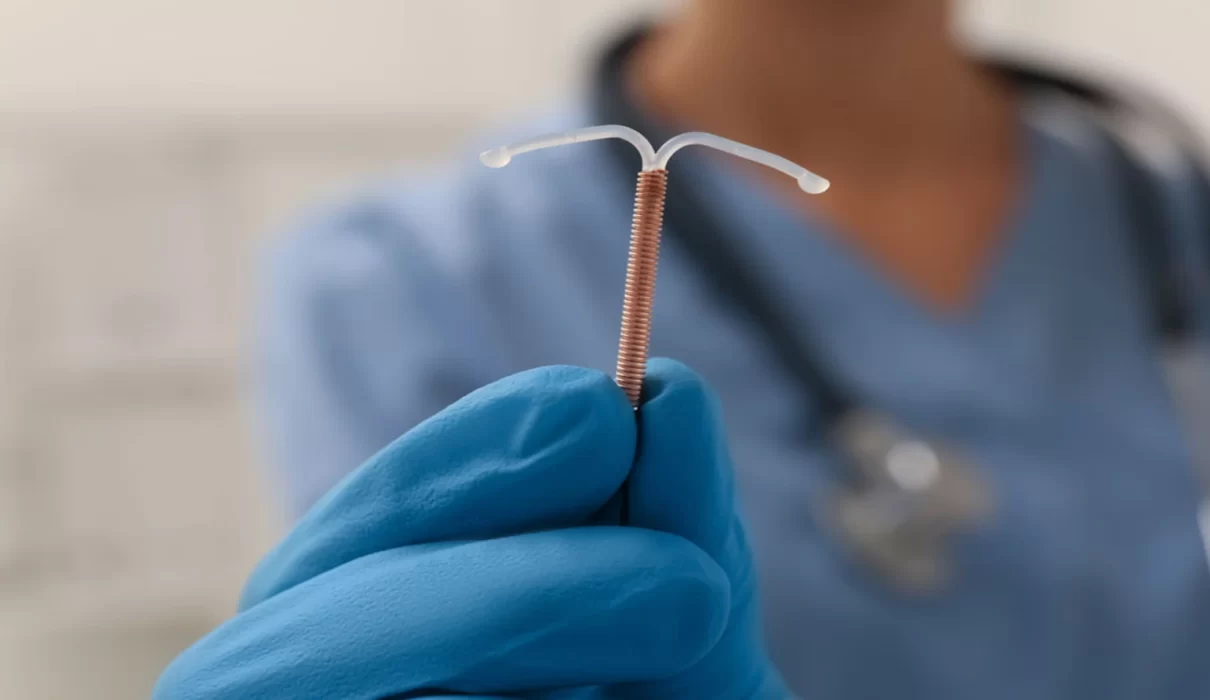
Paragard is a T shaped, hormone free intrauterine device wrapped in copper wire. It has been available in the United States since 1988 and is approved by the FDA for long term pregnancy prevention, with labeling indicating it can remain in place for up to ten years. Unlike hormonal IUDs, Paragard works primarily by releasing copper ions that create an environment hostile to sperm, rather than by altering a user’s hormone levels.
The device is inserted and removed by a trained healthcare provider. Teva Pharmaceuticals originally manufactured and marketed Paragard before selling the product line to CooperSurgical in 2017. Both companies have been named as defendants in various Paragard lawsuits, since liability questions can extend to periods before and after the ownership change.
Why Have Paragard Lawsuits Been Filed?
Paragard lawsuits have been filed primarily because of reports that the device can break or fracture, particularly during removal, rather than being able to be withdrawn intact as intended. Plaintiffs allege that this breakage is linked to the plastic arms becoming brittle inside the body over time, and that the manufacturers did not adequately disclose this risk on product labeling.
Common allegations raised in a Paragard lawsuit include:
- Defective design, on the theory that the device is prone to fracture under normal removal conditions
- Failure to warn, alleging that patients and physicians were not adequately informed of the breakage risk
- Negligence in the design, testing, or monitoring of the device
- Breach of implied warranty related to the product’s fitness for its intended use
These allegations have not been uniformly accepted or rejected across the litigation. As discussed below, the first bellwether trial in the MDL resulted in a defense verdict, which illustrates that outcomes can vary significantly depending on the facts, evidence, and jury in each case.
Reported Injuries and Complications
Women who have filed a Paragard lawsuit report a range of injuries connected to alleged device breakage. Commonly cited Paragard IUD injuries and Paragard IUD complications include:
- Uterine perforation, where the device or a fragment penetrates the wall of the uterus
- Retained fragments that remain lodged in the uterus or migrate to other organs
- Pelvic or abdominal pain, sometimes chronic
- Infection
- Scarring or adhesions
- Infertility or reduced fertility, in some reported cases
- The need for additional surgical procedures, such as hysteroscopy, laparoscopy, or, in more severe cases, hysterectomy
These are injuries alleged in complaints and reported through channels such as the FDA’s Adverse Event Reporting System, not a confirmed causal list that applies to every device. Whether a specific injury was actually caused by a Paragard device depends on individual medical records, imaging, and clinical evaluation.
Allegations Concerning IUD Breakage
A central issue in this litigation is what plaintiffs describe as IUD breakage during removal. According to allegations in the litigation, when a physician attempts to remove the device using standard technique, one or both plastic arms can snap off rather than the device coming out intact. This is sometimes referred to in filings as broken IUD lawsuit claims or IUD breakage claims.
Plaintiffs allege that when this occurs, a fragment can remain in the uterine cavity or migrate into the abdominal or pelvic cavity, sometimes without immediate symptoms. Locating and removing a broken piece can require imaging studies and, in some cases, an additional surgical procedure beyond the original removal appointment. In 2024, Paragard’s label was updated to include guidance for clinicians on what to consider if removal cannot be completed by gentle traction alone, including assessing whether the device may be embedded. This labeling change is a factual development referenced in the litigation; it is not, by itself, an admission of liability by the manufacturers, and no Paragard recall has been issued as of this writing.
Current Paragard Litigation Status
As of mid to late 2026, more than 4,000 cases were pending in the Paragard MDL in the Northern District of Georgia, with new filings continuing to be added most months. The court has proceeded with a bellwether trial process, in which a small number of representative cases are tried first to help both sides gauge how juries may respond to the evidence.
The first bellwether trial concluded in early 2026 with a defense verdict, meaning the jury did not find the manufacturer liable in that particular case. Because that trial involved a case selected in part by the defense, legal commentators generally caution against treating the result as predictive of how every remaining case in the Paragard litigation will fare. Additional bellwether trials have been scheduled, with at least one affected by a stay pending an interlocutory appeal on a federal preemption issue before the United States Court of Appeals for the Eleventh Circuit. That appeal could affect what types of claims are permitted to proceed against the manufacturer.
Because trial dates, case counts, and procedural rulings in this litigation change frequently, readers considering legal action should confirm the current docket status through the official MDL case management orders or by speaking with a qualified attorney, rather than relying solely on any single article.
Paragard Settlement and Compensation
As of this writing, no global Paragard settlement has been announced. Some sources publish estimated settlement ranges based on comparisons to other medical device litigation, but these figures are speculative and not official settlement amounts, verdicts, or guarantees of any recovery. The outcome of the first bellwether trial, a defense verdict, has added uncertainty to predictions about how or when a broader settlement might be reached.
If a settlement or favorable verdicts do eventually resolve significant portions of the litigation, compensation in individual cases would typically be evaluated based on factors such as the severity of the injury, the medical treatment required, documented economic losses like medical bills and lost wages, and the strength of the evidence connecting the injury to device breakage. No specific payout amount can be promised for any individual claim, and every case is fact dependent.
Who May Be Able to Pursue a Claim?
Not everyone who has used a Paragard device has a viable legal claim. Whether someone may be able to pursue a claim generally depends on individual circumstances, including:
- Whether the Paragard device broke, fractured, or was found embedded during removal or insertion
- Whether the person experienced a documented injury or complication connected to that event
- Whether medical records, imaging, or surgical reports support the alleged connection
- Applicable state statutes of limitations, which set deadlines for filing a claim and vary by state
- Whether the claim falls within the scope of the current MDL or must be pursued through a separate filing
Because eligibility depends heavily on medical documentation and state specific legal deadlines, anyone considering legal action should consult a licensed attorney to evaluate their specific situation rather than assuming that Paragard use alone establishes a claim.
Evidence That May Support a Claim
Attorneys handling Paragard litigation typically look for documentation that connects an alleged injury to a specific breakage event. Evidence that may support a Paragard lawsuit can include:
- Medical records from the original IUD insertion and any removal attempts
- Imaging studies, such as ultrasound or X-ray, confirming a retained fragment or device migration
- Operative or surgical reports from any procedure performed to locate or remove a broken piece
- Physician notes documenting complications such as infection, perforation, or pain following removal
- Records of any additional treatment, including hospitalization, follow up surgery, or fertility evaluation
- Purchase or insertion records establishing the device used was Paragard
Because these cases fall under product liability and defective medical device law, thorough documentation is generally central to demonstrating both that a breakage event occurred and that it resulted in a specific, identifiable injury.
How Paragard Litigation Typically Works
Most claims in this litigation proceed through the following general stages, though timelines vary by case:
- Case evaluation. An attorney reviews medical records and the facts of the removal or breakage event to assess whether a claim may be viable.
- Filing. If a claim appears viable, a lawsuit is filed in the appropriate court and, in most federal cases, transferred into the MDL for coordinated pretrial proceedings.
- Discovery. Both sides exchange evidence, including medical records, expert reports, and depositions.
- Bellwether or individual trials. In an MDL, a subset of cases may be tried first to help gauge likely outcomes across the broader docket, while other cases continue through pretrial proceedings.
- Resolution. Cases may be resolved through settlement, dismissal, or trial verdict. Reproductive health claims and other complex product liability matters can take years to fully resolve.
This process reflects how federal product liability litigation is generally structured; it is not legal advice for any individual case, and outcomes depend on the specific facts and applicable law.
Key Takeaways
- The Paragard IUD lawsuit centers on allegations that the copper IUD can fracture during removal, leading to injuries such as retained fragments, infection, pain, and infertility in some reported cases.
- Thousands of cases are consolidated in a federal MDL in the Northern District of Georgia, with bellwether trials underway to help guide the broader litigation.
- The first bellwether trial ended in a defense verdict, adding uncertainty to predictions about future outcomes and any potential Paragard settlement.
- No global settlement has been finalized, and no product recall has been issued as of this writing.
- Not every Paragard user has a viable legal claim; eligibility depends on documented injury, medical evidence, and state filing deadlines.
- Anyone considering legal action should consult a qualified attorney to evaluate their specific circumstances, since this article provides general information only and not individualized legal or medical advice.