
 By
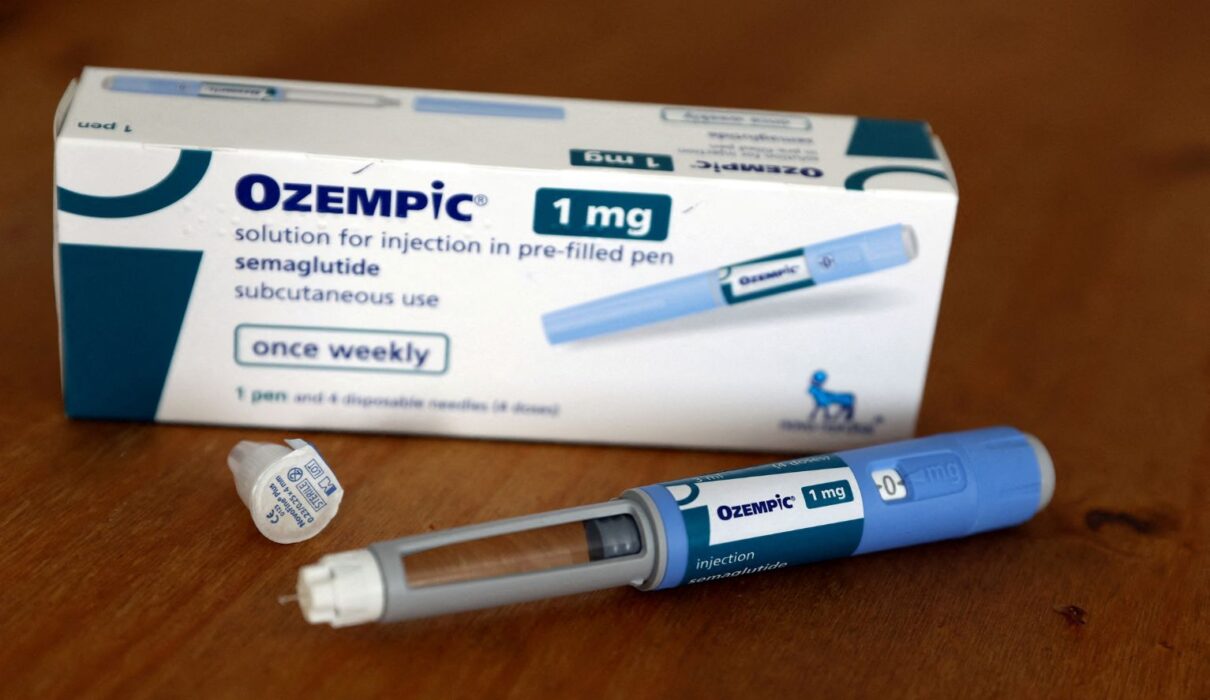
By If you have used Ozempic and later developed a serious digestive condition such as gastroparesis, bowel obstruction, or severe gallbladder disease, you may be eligible to file an Ozempic lawsuit. Eligibility generally depends on three things: documented use of the drug, a qualifying diagnosis linked to that use, and filing within your state’s legal time limit. This article breaks down exactly what those requirements mean in plain language, so you can understand where you stand before speaking with an attorney.
Thousands of people across the country are now asking the same question. Ozempic, along with related drugs like Wegovy, Mounjaro, and Rybelsus, has become one of the most talked-about medications in recent years. It has helped millions manage type 2 diabetes and lose weight, but a growing number of users report that they were not adequately warned about serious gastrointestinal risks. That gap between what patients were told and what they actually experienced is the foundation of the current wave of litigation.
Understanding What the Ozempic Lawsuit Is About
The Ozempic lawsuit is not a single case but a collection of individual claims that have been consolidated into what is known as multidistrict litigation, or MDL, in federal court. Plaintiffs allege that the manufacturer knew or should have known about the risk of severe gastrointestinal injuries and failed to provide adequate warnings on the product label.
At the center of these claims is the drug’s active ingredient, semaglutide, which slows down digestion as part of how it helps control blood sugar and appetite. For most people, this effect is manageable. For others, it appears to trigger a condition called gastroparesis, sometimes described as stomach paralysis, where the stomach cannot empty food normally. Some plaintiffs also report bowel obstructions, ileus, and in rare cases, worsened gallbladder conditions requiring surgery.
Each Ozempic lawsuit filed so far centers on a similar argument: had patients and doctors known the true scope of these risks, some individuals might have chosen a different treatment path or been monitored more closely.
Who Is Eligible to File an Ozempic Lawsuit
Eligibility is not automatic simply because someone took the medication and later felt unwell. Courts and attorneys look at a specific set of factors before accepting a case. Understanding these requirements early can save you time and help you gather the right documentation.
You Must Have a Documented Diagnosis
The single most important requirement for an Ozempic lawsuit is a confirmed medical diagnosis of a qualifying condition. This typically includes:
- Gastroparesis or delayed gastric emptying
- Severe or persistent vomiting requiring hospitalization
- Bowel obstruction or intestinal blockage
- Ileus (a temporary lack of intestinal movement)
- Gallbladder disease requiring removal, in some cases
A diagnosis based only on symptoms you experienced, without medical records confirming the condition, generally will not support a claim. If you suspect you have one of these conditions but have not yet seen a doctor, that is the first step before pursuing legal action.
You Must Show Documented Use of the Medication
Attorneys evaluating an Ozempic lawsuit will ask for pharmacy records, prescription history, or insurance claims showing that you were actually prescribed and took the drug for a meaningful period. Most cases involve use ranging from several months to a few years before the injury developed. If you only used the medication briefly or your records are incomplete, your legal team will usually help track down the missing documentation from your pharmacy or healthcare provider.
Your Injury Must Have Occurred After Starting the Drug
There needs to be a clear timeline connecting your medication use to the onset of symptoms. If you had a preexisting gastrointestinal condition before ever taking Ozempic, it becomes more difficult, though not necessarily impossible, to establish that the drug caused or worsened your condition. This is why early medical evaluation and clear record keeping matter so much.
You Must File Within Your State’s Statute of Limitations
Every state sets a legal deadline, known as the statute of limitations, for filing a personal injury claim. In most states this window ranges from one to three years from the date you discovered, or reasonably should have discovered, that your injury was linked to Ozempic. This is often called the discovery rule, and it can extend your filing window if your diagnosis came well after you stopped taking the drug. Because these deadlines vary significantly by state, it is worth confirming your specific timeline with an attorney rather than assuming you are too late.
Common Injuries Linked to Ozempic Lawsuits
While gastroparesis has received the most media attention, it is not the only condition tied to this litigation. People filing an Ozempic lawsuit have reported a range of related complications, including:
- Chronic nausea and vomiting that disrupts daily life
- Severe abdominal pain requiring emergency treatment
- Intestinal blockages that in some cases required surgery
- Aspiration pneumonia, which can occur when delayed stomach emptying leads to vomiting during sedation for a medical procedure
- Deep vein thrombosis and pulmonary embolism, which some more recent filings have raised
It is worth noting that not every stomach issue qualifies as grounds for a lawsuit. Mild, temporary nausea, which is a commonly disclosed side effect, is different from a diagnosed, lasting condition like gastroparesis. The distinction matters both medically and legally.
A Firsthand Look at How These Cases Typically Unfold
To make this more concrete, consider a composite example based on patterns seen across many real filings. A woman in her fifties began taking Ozempic for type 2 diabetes management. Within about ten months, she started experiencing recurring nausea that she initially attributed to her diet. Over the following weeks, the vomiting became severe enough that she was hospitalized twice. A gastric emptying study confirmed gastroparesis.
Her medical team discontinued the medication, but her digestive symptoms persisted for months afterward. When she began researching her condition, she discovered that other patients had reported nearly identical experiences, and that a growing body of litigation was addressing exactly this scenario. She gathered her pharmacy records, hospital discharge summaries, and the results of her gastric emptying test, then consulted an attorney who confirmed she met the basic eligibility criteria for an Ozempic lawsuit.
This kind of pattern, gradual onset of symptoms, a confirmed diagnosis, and a documented prescription history, is common among the cases currently moving through the litigation process. It illustrates why medical documentation is so central to building a viable claim.
Steps to Determine If You Qualify
If you believe you may have grounds for an Ozempic lawsuit, working through the following steps can clarify where you stand.
Step One: Confirm Your Diagnosis
See a gastroenterologist or your primary care provider if you have not already been formally diagnosed. Tests such as a gastric emptying study can confirm gastroparesis, while imaging can identify a bowel obstruction. Without this formal confirmation, an attorney will have very little to work with.
Step Two: Gather Your Medication Records
Request your full pharmacy history, including start and stop dates for Ozempic or related semaglutide medications. This record becomes the backbone of demonstrating a connection between your use of the drug and your injury.
Step Three: Collect Medical Records Around the Time of Injury
Hospital admission notes, emergency room visits, surgical records, and specialist consultations all help paint a complete picture of what happened and when. The more thorough this documentation, the stronger your potential Ozempic lawsuit becomes.
Step Four: Speak With an Attorney Who Handles This Litigation
Many law firms offer free initial case reviews for an Ozempic lawsuit. During this consultation, an attorney will typically ask about your diagnosis, how long you used the medication, and when your symptoms began. This conversation costs nothing and gives you a clearer sense of your options.
Step Five: Understand That Time Matters
Given the statute of limitations issue discussed earlier, it is wise not to delay this process once you suspect you may have a claim. Evidence becomes harder to gather over time, and waiting too long can eliminate your ability to file altogether.
Evidence You Need to Strengthen Your Ozempic Lawsuit
Beyond the basic eligibility requirements, certain pieces of evidence tend to make a claim considerably stronger. These include:
Consistent medical documentation. Records that clearly trace your symptoms from onset through diagnosis carry more weight than scattered or inconsistent notes.
Confirmation that other causes were ruled out. If your doctors documented that they considered and excluded other explanations for your gastrointestinal symptoms, this strengthens the causal link to the medication.
Proof of financial impact. Medical bills, lost wages from missed work, and costs associated with ongoing treatment all help establish the damages portion of your Ozempic lawsuit.
A clear prescription and dosage history. Some plaintiffs report that their symptoms worsened after a dosage increase, which can become a meaningful detail in building the case.
Attorneys handling this litigation are experienced at helping clients track down records they may not have on hand, so missing paperwork should not automatically discourage you from pursuing a consultation.
How Compensation Works in an Ozempic Lawsuit
Compensation in this type of litigation generally falls into a few categories. Economic damages cover measurable financial losses such as medical expenses, hospitalization costs, and lost income. Noneconomic damages address pain and suffering, emotional distress, and reduced quality of life resulting from a diagnosed injury. In some cases involving particularly egregious conduct by a manufacturer, punitive damages may also be considered, though these are less common and depend heavily on the facts of each case.
It is important to understand that most claims in an MDL are resolved through settlement negotiations rather than individual trials, although bellwether trials, which are early test cases used to gauge how juries respond to the evidence, often help shape those settlement discussions. Because the litigation is still developing, there is no guaranteed outcome or fixed settlement amount, and any attorney who promises a specific dollar figure before reviewing your case should be approached with caution.
How the Ozempic Lawsuit Process Typically Works
Understanding the general path a claim follows can make the process feel less overwhelming. While every case is different, most claims move through a similar sequence once you decide to move forward.
Case Evaluation and Filing
After your initial consultation, your attorney will review your medical records and pharmacy history to confirm you meet the eligibility criteria discussed earlier. If your case qualifies, the attorney prepares and files a complaint on your behalf. Because so many similar claims share common facts, most new filings are transferred into the existing multidistrict litigation rather than proceeding as standalone cases in different courts.
Discovery and Bellwether Trials
Once enough cases are consolidated, the court oversees a process called discovery, where both sides exchange evidence, expert opinions, and internal company documents relevant to the litigation. A small number of representative cases, known as bellwether trials, are often selected to go to trial first. The outcomes of these early trials give both plaintiffs and the manufacturer a realistic sense of how a jury might view similar facts, which frequently shapes broader settlement discussions across the entire Ozempic lawsuit docket.
Settlement or Individual Trial
Many claimants ultimately resolve their case through a negotiated settlement rather than waiting for an individual trial date, since settlements tend to provide compensation sooner and with less uncertainty. However, if a fair settlement cannot be reached, your case retains the right to proceed to its own trial. Throughout this process, your attorney handles the procedural work, so your main responsibility is providing accurate information and keeping your medical treatment on record.
Patience is genuinely part of this process. Mass tort litigation of this scale can take years to fully resolve, but that timeline does not prevent you from securing your place in the litigation now, which is often the most important step toward preserving your right to compensation later.
Read More: What Is the Ozempic Lawsuit About? A Complete Legal Overview
Frequently Asked Questions About Ozempic Lawsuit Eligibility
Do I need to have stopped taking Ozempic to file a claim? No. While many plaintiffs did discontinue use after their diagnosis, ongoing use alone does not disqualify you from exploring an Ozempic lawsuit, particularly if your doctor has determined that continuing treatment is still medically appropriate for your condition.
Can I file if I took a similar drug like Wegovy or Mounjaro instead? Yes, in many cases. These medications share similar active ingredients and mechanisms, and litigation involving them often follows a comparable legal framework, though the eligibility details can differ slightly by manufacturer.
What if my doctor never told me gastroparesis was a possible side effect? That is actually central to many of these claims. Plaintiffs argue that the warnings provided were insufficient given what was known, or should have been known, about the risk.
How much does it cost to consult an attorney about an Ozempic lawsuit? Most personal injury attorneys handling this litigation work on a contingency fee basis, meaning you pay nothing upfront and legal fees are only collected if your case results in a settlement or verdict.
Is there a deadline I need to worry about? Yes. As covered earlier, statutes of limitations vary by state, so it is important not to delay reaching out once you suspect your injury may be connected to the medication.
Can family members file a claim on behalf of someone who passed away? In certain circumstances, yes. Wrongful death claims connected to an Ozempic lawsuit may be available to surviving spouses, children, or other qualifying family members, though the specific rules depend on state law and the facts surrounding the death.
Will filing an Ozempic lawsuit affect my current medical treatment? No. Pursuing a legal claim is completely separate from your ongoing medical care, and your treatment decisions should always be made with your doctor based solely on what is best for your health.
Key Takeaways
- Eligibility for an Ozempic lawsuit generally requires a documented diagnosis of a serious gastrointestinal condition, confirmed use of the medication, and filing within your state’s legal deadline.
- Gastroparesis, bowel obstruction, and severe gallbladder complications are among the most commonly cited injuries in current filings.
- Strong medical documentation, including diagnostic testing and a clear medication history, significantly strengthens a potential claim.
- Most cases are part of federal multidistrict litigation, and compensation typically comes through settlement negotiations rather than individual trials.
- Consulting an attorney early costs nothing in most cases and helps you understand whether you meet the eligibility requirements before time limits become a concern.
Final Thoughts
Determining whether you qualify to file an Ozempic lawsuit ultimately comes down to documentation, timing, and a clear medical link between your injury and the medication. If you have experienced gastroparesis, a bowel obstruction, or another serious digestive complication after using Ozempic, taking the time to gather your medical and pharmacy records now can make a meaningful difference in how your case is evaluated. Because this area of litigation continues to evolve, speaking with an attorney who focuses specifically on Ozempic lawsuit claims is the most reliable way to understand your options and protect your legal rights before any deadlines pass.