
 By
By If you or someone you love took gabapentin for months or years and later developed memory problems, confusion, or a diagnosis of early-onset dementia, you are probably wondering whether that connection is more than a coincidence. The gabapentin lawsuit 2026 centers on exactly that question. Across the country, patients and families are filing civil claims against Pfizer and other gabapentin manufacturers, alleging that the companies failed to warn the public about a possible link between long-term gabapentin use and serious cognitive decline, including dementia and mild cognitive impairment. At the same time, gabapentin continues to carry legal baggage from an older scandal involving illegal off-label marketing, which still shapes how courts and attorneys view the drug today.
This article breaks down what the gabapentin lawsuit 2026 actually involves, walks through the legal history of gabapentin litigation in detail, explains the medical research driving the current wave of claims, and lays out who may be eligible to file a claim. Whether you are researching this topic for yourself, a parent, or a spouse, you will find a clear and practical overview here.
What Is Gabapentin, and Why Is It Prescribed So Widely?
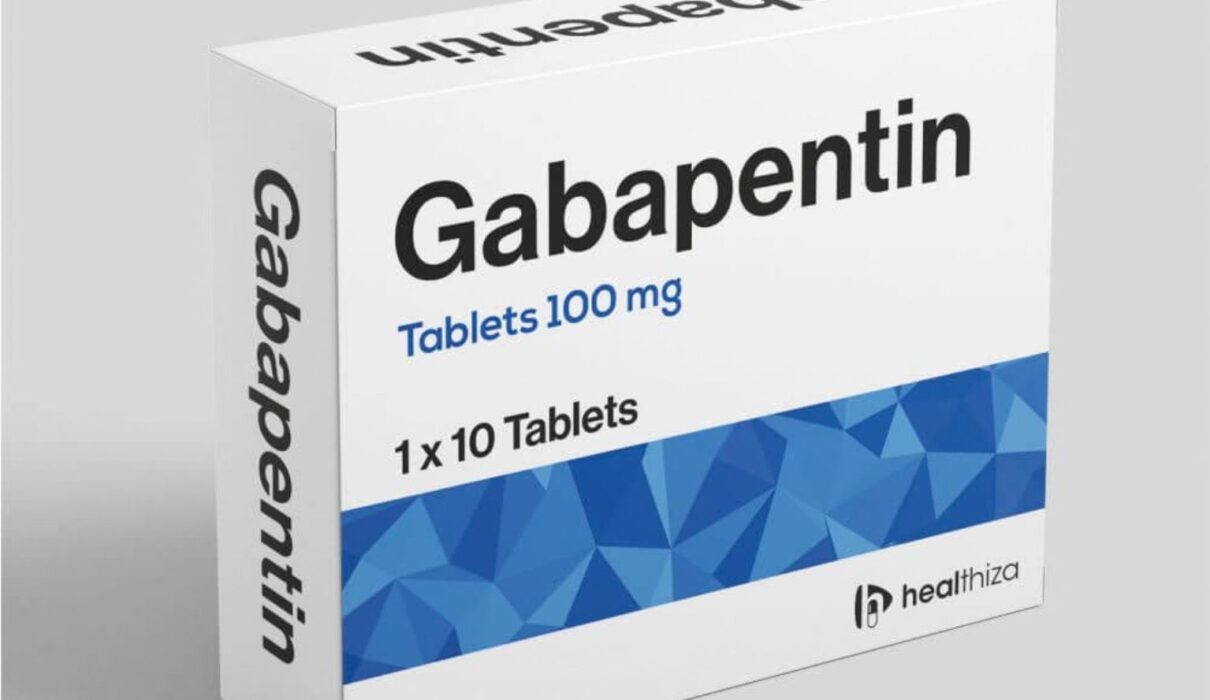
Gabapentin is a prescription anticonvulsant medication that has been on the market since the early 1990s. It was originally approved by the Food and Drug Administration for two specific uses: treating partial seizures in patients with epilepsy and managing nerve pain caused by postherpetic neuralgia, a painful complication of shingles. Scientists are still not entirely certain how gabapentin works, though many believe it affects levels of a calming brain chemical called GABA, which helps regulate nerve activity.
What makes gabapentin unusual is how far its use has expanded beyond those original approvals. Doctors routinely prescribe it off-label for anxiety, insomnia, chronic back pain, migraines, bipolar disorder, restless leg syndrome, alcohol use disorder, and hot flashes. This expansion accelerated during the opioid crisis, when physicians under pressure to reduce opioid prescriptions began turning to gabapentin as a seemingly safer alternative for chronic pain management. Today gabapentin ranks among the five most prescribed medications in the country, with tens of millions of prescriptions filled annually. That sheer volume of use is part of why the gabapentin lawsuit 2026 has drawn so much attention. Even a modest increase in risk, spread across millions of patients, could translate into a large number of people affected.
What Is the Gabapentin Lawsuit 2026 About?
At its core, the gabapentin lawsuit 2026 is a product liability and failure to warn case. Plaintiffs allege that Pfizer, the maker of brand name Neurontin, along with other manufacturers of generic gabapentin, knew or should have known about a potential connection between long-term gabapentin use and cognitive decline, yet failed to adequately warn patients and the doctors who prescribed it.
The current litigation generally falls into two related but distinct categories.
The Dementia and Cognitive Decline Claims
This is the newest and fastest-growing part of the gabapentin lawsuit 2026 landscape. These claims argue that patients who took gabapentin regularly, often for off-label purposes such as chronic pain or anxiety, experienced a meaningfully higher risk of developing dementia, Alzheimer disease, or mild cognitive impairment than people who never took the drug. Plaintiffs say that had they known about this risk, they or their doctors might have chosen a different treatment path, used a lower dose, or monitored cognitive health more closely.
The Off-Label Marketing and Historical Claims
Gabapentin litigation did not start in 2026. It has roots going back more than two decades, when Pfizer faced criminal and civil liability for illegally marketing gabapentin for conditions the FDA had never approved it to treat. While that chapter of litigation is largely resolved, it remains relevant context for today’s gabapentin lawsuit 2026 cases because it established a documented pattern of aggressive, sometimes misleading, marketing practices by the manufacturer. Attorneys handling current dementia claims frequently reference this history to argue that the company had a demonstrated willingness to prioritize sales over complete safety disclosures.
In-Depth Case History: How Gabapentin Litigation Reached 2026
Understanding the gabapentin lawsuit 2026 requires looking at the drug’s legal timeline as a whole. Here is a detailed look at the key events.
1993 to 2002: Approval and Early Off-Label Expansion
Gabapentin was approved in 1993 as an add-on therapy for partial seizures in patients with epilepsy. In 2002, the FDA approved it for postherpetic neuralgia. Almost immediately after launch, however, Warner-Lambert, the company that originally developed and marketed the drug before Pfizer acquired it, began promoting gabapentin for a much wider range of conditions than those two approvals, including bipolar disorder, migraine, and various pain syndromes.
2004: The First Major Settlement
In May 2004, Warner-Lambert, by then part of Pfizer, pleaded guilty to criminal and civil charges connected to the illegal promotion of gabapentin for off-label uses. The case originated from a whistleblower complaint that accused the company of using misleading or incomplete scientific evidence to convince doctors that gabapentin was effective for conditions it was never approved to treat. Pfizer agreed to pay approximately 430 million dollars to resolve the criminal and civil claims, one of the largest healthcare fraud settlements of its time.
Researchers later studied the ripple effects of this case. One analysis found that the lawsuit and the media coverage surrounding it led to a roughly 28 percent relative drop in gabapentin’s market share for bipolar disorder prescriptions, along with a measurable shift in anticonvulsant spending patterns among Medicare and Medicaid patients. That data shows just how significant the 2004 case was in shaping prescribing behavior, even though it focused on marketing conduct rather than physical injury.
2014: A Second Settlement Over Off-Label Marketing
A decade later, Pfizer settled a separate lawsuit for 325 million dollars to resolve additional claims that it had continued marketing gabapentin for unapproved purposes, including certain pain and psychiatric conditions. Combined with the 2004 settlement, Pfizer’s total payout connected to gabapentin marketing practices climbed to roughly 945 million dollars, underscoring how persistent the off-label marketing issue had been for the company.
2022 to 2023: The Scientific Groundwork for Today’s Claims
In the years that followed those marketing settlements, the conversation around gabapentin began to shift toward a new concern: long-term cognitive safety. A 2022 retrospective study using data from the National Alzheimer’s Coordinating Center found a significant association between starting gabapentin and subsequent cognitive decline. A 2023 population-based study that reviewed medical records from more than 200,000 patients, including roughly 34,000 who had taken gabapentin or a related medication, found that gabapentin users had a 45 percent higher rate of dementia diagnoses compared with those who did not take the drug. That same year, researchers also discovered that several earlier clinical trials of gabapentin had failed to fully disclose certain nervous system related harms experienced by participants, raising additional questions about how completely the drug’s risks had been reported to regulators and the public.
2025: The Study That Changed Everything
In July 2025, a study published in a peer reviewed pain medicine journal reviewed data from more than 24,000 patients with chronic lower back pain. It found that patients who had received at least six gabapentin prescriptions were 29 percent more likely to develop dementia and 85 percent more likely to experience mild cognitive impairment compared with patients who had not taken the drug. Even more striking, patients between the ages of 18 and 64 who took gabapentin were more than twice as likely to develop dementia as those who did not. This study is widely regarded as the turning point that pushed personal injury attorneys to begin actively investigating and filing dementia related claims, which set the stage for the current gabapentin lawsuit 2026 cases now working their way through state courts.
2026: Litigation Accelerates
Throughout 2026, the gabapentin lawsuit 2026 landscape has continued to expand. Multiple national law firms announced they were actively accepting cases from patients diagnosed with dementia or significant cognitive decline after extended gabapentin use. A 2026 systematic review that pooled data from five separate observational studies covering more than 325,000 participants reinforced earlier findings, reporting modestly higher odds of developing Alzheimer disease and related dementias among long-term gabapentin users. By the fall of 2026, law firms across the country were formally investigating claims, building out intake criteria, and preparing cases for filing, even though a centralized MDL had not yet been formed.
The Science Behind the Gabapentin Lawsuit 2026 Claims
It is worth pausing to explain, in plain language, what the research actually shows and does not show. None of the studies cited above prove that gabapentin directly causes dementia. They are observational studies, meaning researchers compared outcomes between people who took gabapentin and people who did not, rather than running a controlled experiment. Observational research can reveal strong associations, but it cannot establish causation on its own, since other factors could theoretically influence the results.
That said, the consistency of the findings across multiple independent studies, involving hundreds of thousands of patients in total, is exactly the kind of pattern that tends to drive both scientific interest and legal action. Researchers have offered a plausible biological explanation as well. Gabapentin is believed to increase levels of GABA, a brain chemical that slows nervous system activity. Short term side effects of the drug already include sedation, confusion, slowed thinking, and memory problems. Scientists are now investigating whether repeated or prolonged exposure to these effects could contribute to longer lasting cognitive changes in some patients, even after they stop taking the medication. This is precisely the theory underlying the gabapentin lawsuit 2026 failure to warn claims: that the manufacturers had enough signal from clinical experience and emerging data to issue stronger warnings, and chose not to.
Who May Be Eligible to File a Claim in the Gabapentin Lawsuit 2026?
Eligibility for the gabapentin lawsuit 2026 depends on individual facts, and only a licensed attorney reviewing your specific medical history can tell you with certainty whether you have a viable claim. That said, based on how law firms are currently screening potential cases, several common eligibility factors tend to apply.
General Eligibility Factors
- You, or a loved one, were prescribed gabapentin or a brand name version such as Neurontin, Gralise, or Horizant on multiple occasions, often six or more separate prescriptions.
- Gabapentin was taken for an extended period, frequently six months or longer, whether for an approved use or an off-label condition such as back pain, anxiety, or insomnia.
- You, or a loved one, were diagnosed by a neurologist or other specialist with early-onset dementia, including Alzheimer disease, vascular dementia, Lewy body dementia, or frontotemporal dementia, before the age of 65.
- Alternatively, a diagnosis of mild cognitive impairment that significantly affects daily living may also support a claim, even without a formal dementia diagnosis.
- The cognitive diagnosis came after gabapentin use began, with a reasonable medical timeline connecting the two.
Factors That May Strengthen a Case
Certain additional circumstances can make a gabapentin lawsuit 2026 claim stronger, including a documented history of traumatic brain injury, a family history or genetic marker associated with Alzheimer disease, or residence in a state where litigation activity has been particularly active. It generally does not matter whether you took brand-name Neurontin or a generic version of gabapentin, since most claims are filed against the original manufacturer and, depending on state law, generic makers as well. It also typically does not matter if you cannot immediately recall every detail, since attorneys can request complete pharmacy and medical records to document your prescription history.
Who Can File on Behalf of Someone Else
Because dementia itself can prevent someone from managing a legal claim, family members, legal guardians, or appointed power of attorney holders are often able to file a gabapentin lawsuit 2026 claim on behalf of an incapacitated loved one. In cases where a patient has passed away, surviving family members may be able to pursue a wrongful death claim instead.
Evidence That Supports a Claim
If you are considering whether to pursue a gabapentin lawsuit 2026 claim, gathering documentation early can make the process smoother. Useful records typically include:
- Pharmacy pickup records showing when and how often gabapentin was dispensed
- Prescribing physician records explaining why gabapentin was prescribed
- Dosage and formulation details
- Neurological or psychological testing results, including memory evaluations and imaging studies
- Diagnosis documentation from a neurologist or specialist
- A complete medication history
- Statements from family members describing noticeable cognitive changes
- Employment records showing performance changes, where relevant
- Medical bills and related financial documentation
Is There a Gabapentin Class Action or MDL in 2026?
As of this writing, there is no certified nationwide class action and no federally consolidated multidistrict litigation (MDL) specifically covering gabapentin dementia claims. Instead, the gabapentin lawsuit 2026 cases are currently being filed individually or coordinated informally as mass torts, primarily in state courts, where attorneys represent groups of plaintiffs with similar injuries while each case technically remains its own lawsuit.
This matters for a few practical reasons. First, because there is no MDL yet, there is also no established settlement fund or set payout formula, so claims are evaluated on their individual facts rather than through a predetermined matrix. Second, if the number of filed cases continues to grow, it remains possible that plaintiffs’ attorneys will petition for MDL consolidation in federal court, which would streamline pretrial proceedings while still preserving each plaintiff’s individual case. Many attorneys who closely track the gabapentin lawsuit 2026 landscape believe consolidation becomes more likely as case numbers increase, following a pattern seen in other pharmaceutical litigation.
How to File a Gabapentin Lawsuit 2026 Claim
For readers wondering what the actual process looks like, filing a claim generally follows a familiar pattern used across pharmaceutical injury litigation.
- Free case evaluation. Most law firms handling gabapentin lawsuit 2026 claims offer a no-cost initial consultation to review your prescription and medical history.
- Records collection. Your attorney will typically request pharmacy records, medical charts, imaging studies, and physician notes to build a documented timeline.
- Case review by medical and legal experts. Firms often consult medical experts to assess whether your diagnosis and history align with the scientific research supporting current claims.
- Filing the claim. Once eligibility is confirmed, your attorney files the lawsuit in the appropriate court, naming the manufacturer or manufacturers as defendants.
- Discovery and negotiation. The case proceeds through evidence exchange, and many pharmaceutical claims eventually resolve through negotiated settlements rather than trial, though this varies case by case.
Most attorneys handling gabapentin lawsuit 2026 cases work on a contingency fee basis, meaning you pay no upfront fees, and the firm only collects a percentage of any settlement or verdict obtained on your behalf.
Potential Compensation in a Gabapentin Lawsuit 2026 Claim
Because these cases are still in relatively early stages, there is no established average settlement value, and no attorney can ethically guarantee a specific outcome. That said, in pharmaceutical injury cases of this type, compensation categories typically include:
- Past and future medical expenses, including neurological and cognitive treatment
- Memory care, assisted living, or home health costs
- Lost wages and diminished earning capacity
- Pain and suffering
- Loss of enjoyment of life
- Wrongful death damages, where applicable
The value of an individual gabapentin lawsuit 2026 claim depends heavily on factors such as age at diagnosis, severity of cognitive decline, documented medical costs, the strength of the prescribing and injury timeline, and the specific liability laws of the state where the claim is filed.
A Few Important Cautions
It is important to approach this topic with a balanced perspective. Gabapentin remains an FDA approved medication that has genuinely helped millions of people manage seizures and nerve pain. Current evidence linking it to dementia is observational, not proof of direct causation, and no regulatory agency has issued a formal dementia related warning for the drug as of 2026. Anyone currently taking gabapentin should not stop or adjust their dosage without first speaking to their prescribing physician, since abruptly stopping an anticonvulsant can carry its own serious risks, including rebound seizures. The purpose of understanding the gabapentin lawsuit 2026 landscape is to make informed decisions, not to create unnecessary alarm.
Key Takeaways
- The gabapentin lawsuit 2026 primarily involves allegations that manufacturers failed to warn patients and doctors about a possible link between long-term gabapentin use and dementia or cognitive decline.
- Gabapentin, sold under the brand name Neurontin among others, is one of the most widely prescribed drugs in the United States, with tens of millions of prescriptions written every year.
- Several large observational studies published between 2022 and 2026 found associations between repeated gabapentin prescriptions and higher rates of dementia and mild cognitive impairment, particularly in patients under 65.
- Gabapentin has a long legal history, including a 2004 settlement of about 430 million dollars and a 2014 settlement of 325 million dollars tied to illegal off-label marketing.
- As of late 2026, there is no nationwide class action or multidistrict litigation (MDL) specifically for gabapentin dementia claims, but individual and mass tort style claims are actively being filed and investigated in state courts.
- People who took gabapentin at least six times, especially for off-label reasons, and were later diagnosed with early-onset dementia or significant cognitive impairment before age 65, may have grounds to explore a claim.
- Most attorneys handle these cases on a contingency fee basis, meaning there are no upfront costs to have a case reviewed.
Final Thoughts
The gabapentin lawsuit 2026 reflects a familiar pattern in pharmaceutical litigation: a widely prescribed medication, a body of emerging research raising safety questions, and a legal system working to determine whether manufacturers adequately warned the people who relied on their products. With gabapentin prescribed to tens of millions of Americans every year, and with multiple peer reviewed studies now pointing toward a possible link between long-term use and cognitive decline, it is reasonable that families affected by early-onset dementia or significant memory loss are seeking answers.
If you believe you or a loved one may have been affected, the most practical first step is a free consultation with an attorney experienced in pharmaceutical litigation, who can review your specific prescription and medical history against current eligibility criteria for the gabapentin lawsuit 2026. Because statutes of limitations vary by state and generally begin running from the date of diagnosis or discovery of harm, it is worth seeking that guidance sooner rather than later.