
 By
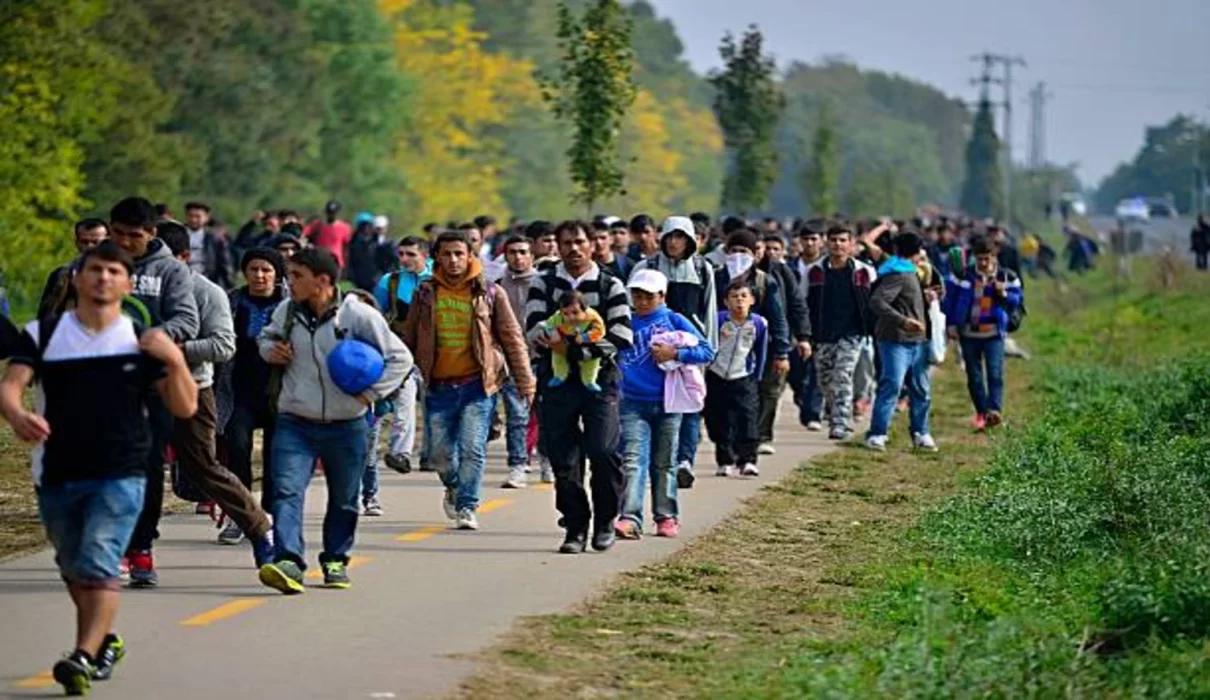
By The Ceuta Border Crisis has once again placed Spain’s North African territory at the center of Europe’s migration debate. In a matter of days, tens of thousands of people attempted to cross from Morocco into the small Spanish enclave, overwhelming local authorities and drawing global attention to the fragile border arrangements that separate Africa from the European Union.
According to publicly available reports from Spain’s Ministry of the Interior and international news organizations, tens of thousands of people crossed into Ceuta over a short span in late July 2026, with dozens of deaths reported during the crossings. Local officials described the scale of arrivals as unprecedented, even compared with a similar episode in May 2021.
The Ceuta Border Crisis matters far beyond the boundaries of this small territory. Ceuta and its sister enclave, Melilla, represent the European Union’s only land frontier with the African continent. What happens there has consequences for Spanish domestic politics, European Union migration policy, Spain and Morocco relations, and the international legal frameworks that govern asylum and human rights.
This article explains what is publicly known about this crisis, why migrants are attempting the crossing, how international law addresses border crossings and asylum claims, and what the episode may signal for the future of European migration policy. Because the situation continues to develop, some details discussed here may be updated as official investigations and government statements are released.
Ceuta Border Crisis: An Overview
Ceuta is a Spanish city located on the northern coast of Morocco, separated from mainland Spain by the Strait of Gibraltar. Because it sits on African soil yet remains fully part of Spain and the European Union, it has long functioned as an entry point for people seeking to reach Europe.
According to reporting from major international outlets including CNN, Al Jazeera, and the Associated Press, the most recent Ceuta Border Crisis unfolded rapidly over the final days of July 2026. Spanish authorities reported that tens of thousands of people crossed into the territory within a period of roughly twenty four to forty eight hours, many by swimming, using inflatable flotation devices, or breaching border fencing near Tarajal beach.
Spain’s Interior Ministry stated that dozens of people died during the crossings, with reports citing drowning and injuries sustained in crowd surges near the border barrier. Ceuta’s regional president publicly described local reception services and security resources as overwhelmed, and called on the national government in Madrid to deploy additional police and military personnel.
Officials in Madrid, including Prime Minister Pedro Sánchez, characterized the surge as a serious challenge to Spain’s territorial integrity and pledged a coordinated national response. At the same time, the precise causes behind the sudden increase in crossings remain a matter of dispute among Spanish officials, local authorities, and independent analysts, which is a key reason this crisis has generated so much international scrutiny.
Why Are Migrants Crossing Into Ceuta?
Understanding why people continue to attempt the journey into Ceuta requires looking at several overlapping factors rather than a single explanation. Migration researchers and humanitarian organizations generally point to a combination of geography, economics, politics, and regional instability.
Geographic Importance of Ceuta
Ceuta’s location gives it a unique status in global migration routes. As one of only two land borders between the European Union and Africa, alongside Melilla, it offers a comparatively short and direct path into European territory for people traveling from Morocco and other parts of North and West Africa.
For many migrants, reaching Ceuta means reaching European Union soil without needing to cross the wider Mediterranean Sea by boat, a route that has historically carried a high risk of fatal accidents. This geographic reality has made Ceuta a persistent flashpoint whenever border enforcement on the Moroccan side loosens, whether due to policy shifts, political tension, or reduced patrols.
Economic and Humanitarian Factors
Many of the individuals attempting to reach Ceuta are drawn by the prospect of employment and improved living conditions in Europe. Reporting from CBS News and other outlets on the recent crisis described the majority of arrivals as young men, with several telling journalists they were seeking better jobs or income opportunities rather than fleeing conflict or persecution.
This distinction matters legally, since economic motivation alone does not typically qualify a person for refugee status or international protection under the 1951 Refugee Convention. However, humanitarian organizations note that economic hardship, limited opportunity, and social pressure can still represent genuine and serious drivers of irregular migration, even where formal asylum claims may not apply.
Political Developments
A central and disputed element of the current Ceuta Border Crisis involves a ruling from Spain’s Supreme Court issued on June 29, 2026. According to CNN and other outlets, the ruling found that Spanish authorities cannot summarily return migrants intercepted while swimming into Ceuta or Melilla, because such individuals had not crossed a formal physical border structure as defined under Spanish law, and were therefore entitled to a due process procedure before removal.
Spanish officials, including Prime Minister Sánchez, have publicly stated that human trafficking networks misrepresented the ruling on social media to encourage crossings, reportedly circulating messages suggesting that Spain had effectively opened its doors. Local Ceuta officials, by contrast, argued that the ruling itself created a practical opening that traffickers were quick to exploit, and criticized the national government’s response as delayed.
Migration policy researchers quoted in international media have offered a more measured legal reading, noting that the ruling addresses procedural rights during interception rather than granting any automatic right to remain in Spain. This dispute over interpretation illustrates how quickly legal nuance can be lost in a fast moving crisis.
Regional Instability
Spain and Morocco relations have historically shaped the frequency and scale of border crossings into Ceuta. During a comparable episode in May 2021, involving between six thousand and ten thousand crossings over several days, Moroccan border enforcement was widely reported to have loosened amid a diplomatic dispute with Spain over the treatment of a Western Saharan independence leader.
That 2021 dispute was eventually resolved after Spain shifted its diplomatic position on the status of Western Sahara in 2022. While the precise diplomatic backdrop to the 2026 surge differs and remains under discussion, the historical pattern shows that political tension between Rabat and Madrid has repeatedly intersected with irregular migration flows at this particular border.
Why Ceuta Matters to Spain and the European Union
The Ceuta Border Crisis is not simply a local or bilateral issue. Because Ceuta sits within the Schengen area, developments there carry implications for border security and migration policy across the wider European Union.
Border Security Challenges
Managing a sudden mass crossing event places enormous pressure on local police, the Guardia Civil, and Spain’s armed forces. Following the recent surge, Spain deployed additional troops and law enforcement personnel to Ceuta, and the central government indicated plans to install floating barriers in the surrounding waters intended to restore the ability to intercept and process migrants at sea while complying with the Supreme Court’s due process requirements.
Immigration Policy
The episode has reignited debate within Spain over how national immigration law should apply within its African territories. Some domestic political figures have criticized the government’s handling of the situation, while others have emphasized the need to uphold judicial rulings that protect due process rights, even during high pressure emergencies.
Humanitarian Responsibilities
Spain, as an EU member state, holds obligations under both domestic and international law to provide safe conditions, medical care, and access to asylum procedures for individuals within its jurisdiction, including in Ceuta. Reports describe migrants sleeping in the streets and overwhelmed reception centers, raising concerns among humanitarian observers about the adequacy of shelter, food, and medical support during the peak of the crisis.
International Cooperation
The response has extended beyond Spain’s borders. According to reporting from CNN, Italy announced temporary border controls affecting arrivals from Spain, and France indicated it would strengthen checks along its own frontier with Spain, reflecting how a localized crisis in Ceuta can quickly ripple across the passport free Schengen zone.
What International Law Says About Border Crossings
International and European law provide a specific framework for how states must treat individuals who cross borders irregularly, including in situations resembling the Ceuta Border Crisis.
Asylum Rights
Under international protection law, any person physically present in a state’s territory generally has the right to apply for asylum, regardless of how they entered. This principle is reflected in the 1951 Refugee Convention and its 1967 Protocol, as well as European Union asylum directives, which require that claims be individually assessed rather than dismissed collectively.
Refugee Protection
A refugee, under international law, is someone who has fled their country due to a well founded fear of persecution based on race, religion, nationality, political opinion, or membership in a particular social group. This is legally distinct from an economic migrant, who moves primarily in search of better financial opportunity rather than protection from persecution.
Reports on the current crisis suggest that many recent arrivals described economic motivations rather than persecution, which would generally place them outside the formal refugee definition, though individual circumstances always require case by case legal assessment.
International Human Rights Obligations
Regardless of migration status, international human rights law requires that all individuals be treated with dignity, including protection from inhuman or degrading treatment, access to medical care in emergencies, and protection of unaccompanied minors. The principle of non refoulement, which prohibits returning individuals to a place where they would face serious harm, remains a cornerstone obligation for European Union member states.
Border Enforcement
States retain a sovereign right under international law to control their borders and regulate entry, including through lawful interception, registration, and return procedures. Spain’s June 2026 Supreme Court ruling illustrates how domestic courts can shape the balance between enforcement authority and individual due process rights, a tension that sits at the heart of many border security debates across Europe.
Spain’s Response to the Crisis
Spain’s national government moved quickly once the scale of the July 2026 surge became clear. Publicly available statements indicate that additional police, Civil Guard officers, and military personnel were deployed to Ceuta to restore order and manage processing of new arrivals.
Prime Minister Sánchez publicly condemned what he described as an attempt to exploit the Supreme Court ruling, and stated that the government intended to expel all recent irregular arrivals as quickly as legally possible. According to government statements reported by international media, a majority of those who crossed were returned to Morocco within days, with many departing voluntarily after facing limited access to food, shelter, or onward transport within the enclave.
The government also indicated it would pursue physical measures, including floating maritime barriers, intended to allow lawful interception procedures that comply with the Supreme Court’s due process requirements while restoring the practical ability to manage sea crossings.
Morocco’s Role in Border Management
Morocco plays a central and often disputed role in any Ceuta Border Crisis, since it controls the land and coastal areas from which crossings originate. Historically, Moroccan authorities have maintained active patrols along the border, and cooperation between Rabat and Madrid has generally been credited with limiting the frequency of mass crossing events.
During the most recent episode, accounts varied on the extent of Moroccan enforcement in the days leading up to the surge, with some local voices in Ceuta suggesting border patrols were slow to respond, and Moroccan authorities reportedly reinforcing checkpoints and dispersing crowds once the scale of the crossing became apparent. As with the 2021 episode, questions about the degree of coordination, or lack of it, between Moroccan and Spanish authorities remain a sensitive and closely watched element of the broader story.
How the European Union Is Responding
While Ceuta is Spanish territory, the European Union has a direct interest in how the crisis is managed, given that Ceuta sits within the Schengen area and any instability there can affect movement across the wider bloc. European officials have historically emphasized solidarity with Spain during previous Ceuta episodes, framing the enclave’s border as part of the European Union’s shared external frontier.
Following the most recent surge, neighboring states took independent steps to reinforce their own borders, with Italy and France both announcing tighter checks connected to travel from Spain. European political leaders have also renewed broader calls for stricter and more coordinated migration policy, reflecting how a single border crisis of this kind can accelerate policy discussions across multiple member states simultaneously.
Humanitarian Concerns and Aid Efforts
Humanitarian organizations have repeatedly flagged conditions in Ceuta during periods of mass arrival as a serious concern. Reports describe overwhelmed reception centers, limited shelter capacity, and hundreds of people sleeping outdoors while awaiting processing or return.
International bodies such as the United Nations High Commissioner for Refugees and the International Organization for Migration typically monitor such events to assess whether affected states are meeting their obligations regarding shelter, medical care, and access to asylum procedures. While specific findings from these organizations regarding the July 2026 crisis had not been fully published at the time of writing, past crises of this kind have prompted formal statements urging proportionate and rights respecting responses from both Spain and Morocco.
Potential Long Term Impacts on European Migration Policy
The recurring nature of crises at this particular border, from 2017 through 2021 and again in 2026, has already shaped discussions around European migration policy in tangible ways. Analysts and officials have pointed to the need for clearer legal frameworks that can withstand sudden surges without compromising due process protections established by courts such as Spain’s Supreme Court.
It remains too early to say precisely how the current episode will influence long term policy, and any assessment of future outcomes would be speculative at this stage. What can be stated with confidence is that this recurring crisis has once again placed pressure on European institutions to reconcile robust border security with binding human rights and asylum obligations, a balance that has proven difficult to strike consistently across member states.
Key Takeaways
- The Ceuta Border Crisis of July 2026 involved tens of thousands of migrants crossing from Morocco into the Spanish enclave within a short period, with dozens of deaths reported by Spanish authorities.
- A June 2026 Spanish Supreme Court ruling on due process for migrants intercepted at sea has become a central and disputed factor behind the surge, according to Spanish officials and independent analysts.
- Ceuta and Melilla remain the European Union’s only land borders with Africa, making developments there directly relevant to wider EU migration policy and border security.
- International law distinguishes between refugees, asylum seekers, and economic migrants, a distinction that shapes how individual crossings are legally assessed.
- Spain deployed additional police and military personnel and returned most recent arrivals to Morocco, while announcing plans for maritime barriers to restore lawful interception procedures.
- Neighboring states, including Italy and France, tightened their own border checks in response, showing how a Ceuta Border Crisis can affect the broader Schengen area.
- Humanitarian organizations continue to monitor shelter, medical care, and asylum access for those affected, and further official assessments may be released as the situation develops.
- The long term policy implications of the crisis remain uncertain, and readers should follow verified updates from Spanish authorities and international organizations as the situation continues to evolve.