
 By
By If you were online at all in the summer of 2016, you remember the name Harambe. What started as a frightening accident at the Cincinnati Zoo turned into one of the strangest and most talked about internet phenomena of the decade. Nearly a decade later, people still search for the “Harambe Kid today,” hoping to find out who he grew up to be. This article walks through what actually happened, why it became such a massive cultural moment, and what is and is not publicly known about the child involved, while respecting the fact that he was a young boy who did not choose to become part of internet history.
Table of Contents
Harambe Kid Today: What Is Publicly Known?
The short answer is: very little, and that is by design. The boy at the center of the Harambe incident has never been officially named by his family, the Cincinnati Zoo, or law enforcement. He was three years old at the time, which means responsible reporting has always withheld identifying details to protect a minor who had no say in the events that unfolded around him. What is publicly documented comes from a handful of verified sources: news reports from May and June 2016, a police investigation summary, and a brief family statement thanking the zoo. Beyond that, nothing about his current life, appearance, school, or whereabouts has been confirmed by any credible outlet, and this article will not speculate on any of it.
Who Was Harambe?
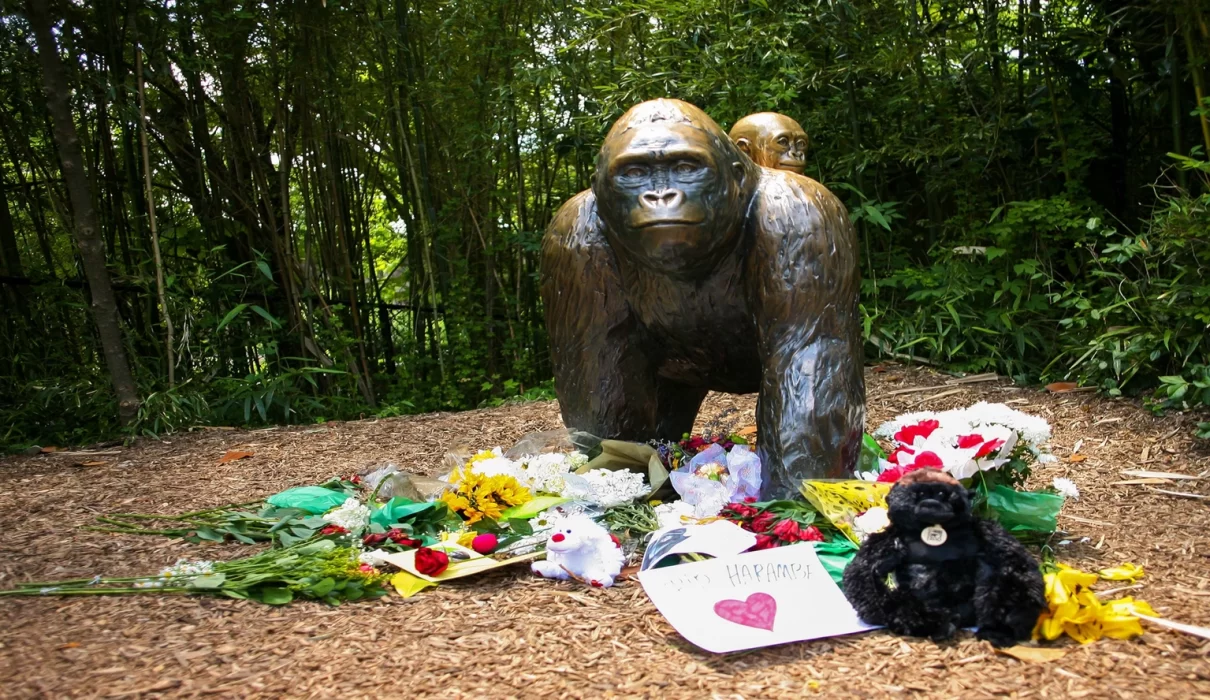
Harambe was a western lowland gorilla, a critically endangered subspecies, born at the Gladys Porter Zoo in Brownsville, Texas, before being transferred to the Cincinnati Zoo and Botanical Garden in 2015. By the time of the incident, Harambe would go on to become the subject of internet memes, a statue, songs, and other tributes in the aftermath of his death. At 17 years old and roughly 400 pounds, he was a mature silverback who had become a favorite among zoo staff and regular visitors to the Gorilla World exhibit. His name, drawn from Swahili, roughly translates to a call to come together for a common purpose, a detail that many people who later turned him into a meme never knew.
What Happened at the Cincinnati Zoo?
On May 28, 2016, a three-year-old boy slipped away from his mother’s side at a public event and made his way through a barrier surrounding the Gorilla World exhibit. He fell roughly 10 to 12 feet into the moat area of the enclosure, and officials said he was expected to recover after being pulled from the water and carried by the gorilla for close to 10 minutes. Video captured by other visitors showed Harambe standing over and moving the child, at times appearing curious or even protective, and at other times dragging him through the shallow water.
Zoo staff quickly recalled two female gorillas from the exhibit, but Harambe remained with the boy. Cincinnati Zoo director Thane Maynard later explained that the zoo’s dangerous animal response team determined the child was in a life threatening situation. Maynard said the gorilla did not appear to be attacking the child but noted that it was an extremely strong animal in an agitated state, and that tranquilizing it would not have taken effect quickly enough to remove the risk to the boy. A member of the response team decided to shoot and kill Harambe to end the encounter.
Firefighters and zoo staff pulled the boy from the enclosure and he was taken to Cincinnati Children’s Hospital Medical Center. Authorities confirmed his injuries were non life threatening, and he was released from the hospital that same evening.
Why Was Harambe Killed?
This question dominated headlines for weeks after the incident, and it remains one of the most searched Harambe related questions today. Zoo officials weighed several options in the moments after discovering the boy in the enclosure. Tranquilizer darts were considered and rejected because sedation is not instantaneous, and an agitated 400 pound gorilla could have reacted violently in the minutes before the drug took effect. With the child in immediate physical contact with the animal, the response team determined that lethal force was the only option that could guarantee the boy’s safety in real time.
The decision was not without controversy. Some primatologists and animal welfare advocates argued that Harambe’s body language in parts of the video suggested he was trying to shield the boy rather than harm him. Others, including zoo officials and several wildlife experts, maintained that an unpredictable wild animal in a stressful, unfamiliar situation posed too great a risk to leave the boy exposed for even a few more minutes. A subsequent federal inspection found that the barrier around the enclosure did not meet required safety standards, which allowed the boy to slip through in the first place. The zoo made structural changes to the exhibit afterward, including a taller barrier and additional mesh.
Cincinnati police also reviewed the actions of the boy’s parents, though officials clarified early on that no charges were being pursued against the family. The family released a brief statement thanking the zoo for protecting their son and asked that, in lieu of any financial gifts, well wishers instead donate to the Cincinnati Zoo in Harambe’s name.
How the Incident Became a Global Story
Few zoo accidents in modern history have generated the volume of coverage that the Cincinnati Zoo incident did. Several factors combined to push it into a truly global story. First, there was dramatic video footage, captured by bystanders, showing a massive gorilla interacting with a small child in real time, which is the kind of visceral, unscripted content that spreads instantly online. Second, the ethical dilemma at the center of it, a critically endangered animal killed to save a human child, tapped into ongoing public debates about zoo safety, animal captivity, and conservation. Third, the story broke at a moment when social media platforms, particularly Twitter and Facebook, had become the dominant way people processed breaking news, which accelerated both the spread of information and the spread of jokes, opinions, and outrage.
Within days, Harambe’s name was trending worldwide, animal rights groups were calling for accountability, and cable news panels were debating zoo enclosure standards. It was, briefly, one of the most discussed topics on the internet.
The Rise of the Harambe Meme
What makes the Harambe story unusual is not that it went viral once, as a news event, but that it went viral a second time, as a joke. Academic researchers who later studied the phenomenon described it as an animal rights campaign that morphed into an online prank. Commentators, including a widely cited piece written for The Atlantic several months after Harambe’s death, tried to explain why a genuinely sad story had turned into a punchline that dominated the internet for the rest of 2016.
The meme took many forms: image macros, hashtags like Dicks Out For Harambe, fake tribute pages, and even write in votes for Harambe recorded during the 2016 U.S. presidential election. High profile figures, including Elon Musk, referenced Harambe publicly, and a Cincinnati Zoo director’s social media account was even targeted by pranksters posting Harambe themed content. By late summer, “Harambe” had become shorthand for a certain kind of dark, absurdist internet humor that had little to do with the actual gorilla or the real child involved.
Year end roundups of internet culture in 2016 consistently listed Harambe alongside memes like Damn Daniel and the Mannequin Challenge as one of the defining phenomena of that year’s internet, a strange legacy for what began as a genuine tragedy.
What Happened to the Child After the Incident?
After being treated and released from the hospital the same day, the boy returned home with his family. A family representative confirmed a few days later that he was doing well and had been seen by his doctor for a follow up checkup. The family’s public statement was brief, grateful toward the zoo, and explicitly requested privacy rather than donations or gifts. Cincinnati police reviewed the circumstances that allowed the boy to enter the enclosure but did not pursue charges against his parents.
From that point forward, the family largely stepped out of the public eye. No further official statements, interviews, or updates about the boy have been issued by the family in the years since. That silence is not unusual and reflects a deliberate choice by parents to shield a young child from a level of public attention he never asked for.
What Is Known About the Harambe Kid Today?
Here is where honesty matters most: there is no verified, publicly confirmed information about the boy’s current life, education, appearance, or personal circumstances. He would be in his early teens today, but his family has kept his identity, location, and daily life out of the public record since 2016. No credible news organization has published a confirmed update on his life since the initial coverage faded, and any accounts claiming otherwise should be treated with skepticism.
This lack of information is not a gap in reporting so much as a reflection of appropriate journalistic and ethical restraint. He was a toddler swept into an event entirely outside his control, and the responsible approach, one this article follows, is to let that privacy stand.
Rumors and Misinformation Online
Over the years, social media users have occasionally circulated claims purporting to identify the boy, show his current photo, or describe his life today. None of these claims have been verified by any credible news source, and many appear to be either mistaken identity, recycled hoaxes, or fabricated entirely for engagement. Some rumors conflate the boy with unrelated individuals who share similar names or ages. Others rely on screenshots or claims that cannot be traced to any legitimate origin.
It is worth being direct about this: repeating an unverified claim, even with a disclaimer, still spreads it further and risks real harm to a private individual and his family. This article intentionally avoids naming, describing, or linking to any of those claims, and readers are encouraged to treat similar content they encounter elsewhere with the same skepticism.
Harambe’s Lasting Cultural Impact
Even years later, Harambe’s name still surfaces regularly online, in memes, in nostalgia posts about 2016 internet culture, and in retrospectives marking the anniversary of his death. Around the tenth anniversary of the incident in 2026, several outlets revisited the story, noting the lasting changes it prompted at the Cincinnati Zoo, including a redesigned Gorilla World exhibit with taller, more secure barriers. The zoo has continued to use the moment as a teaching point about wildlife safety and the realities of housing powerful, intelligent animals in spaces shared with the public.
Harambe also remains a reference point in broader conversations about how the internet processes real world tragedy, how quickly a sincere debate about animal welfare and zoo safety can be flattened into a joke, and how difficult it can be for the people at the center of a viral story, especially a child, to ever fully step out of its shadow.
Lessons From the Incident
The Cincinnati Zoo incident prompted lasting, practical conversations in a few key areas.
- Zoo enclosure safety: The federal inspection that followed found the original barrier around Gorilla World did not meet required standards, prompting the Cincinnati Zoo and other facilities nationwide to reevaluate enclosure design, particularly around exhibits housing powerful animals in proximity to public walkways.
- Parental responsibility versus split second accidents: The incident sparked heated public debate about parental supervision at crowded public venues. Investigators ultimately concluded that no criminal negligence occurred, a reminder that even attentive parents can lose sight of a fast moving toddler for a matter of seconds in a crowded space.
- Animal welfare and captivity ethics: The death of a critically endangered gorilla reignited long running debates about the ethics of keeping large, intelligent animals in captivity, and about what obligations zoos have to both their animals and their visitors.
- Media and privacy in the viral age: Perhaps the most enduring lesson is about the internet itself. A frightening but ultimately resolved safety incident involving a small child became, almost overnight, one of the biggest jokes of the year, illustrating how little control individuals have once a personal moment becomes public content.
Key Takeaways
- The “Harambe Kid” refers to the three year old boy involved in the May 28, 2016, Cincinnati Zoo incident that led to the death of Harambe, a 17 year old western lowland gorilla.
- Harambe was killed by a zoo response team after determining the boy’s life was in immediate danger and that tranquilizers would not act quickly enough.
- The boy suffered non life threatening injuries, was released from the hospital the same day, and no charges were filed against his parents.
- The incident became a defining internet meme of 2016, largely detached from the real, sobering circumstances that caused it.
- No verified information exists about the boy’s current life, and reputable sources have deliberately withheld his identity to protect his privacy.
- Online claims identifying or describing the “Harambe Kid today” are unverified and should not be treated as fact.
- The incident led to lasting changes in zoo enclosure safety standards and continues to shape conversations about animal welfare, parental responsibility, and viral media culture.
Frequently Asked Questions
-
Who is the Harambe Kid?
The Harambe Kid refers to the then three year old boy who fell into the gorilla enclosure at the Cincinnati Zoo on May 28, 2016, an incident that led to Harambe, a 17 year old western lowland gorilla, being shot and killed to protect him. His identity has never been officially released.
-
What happened to Harambe?
Harambe was shot and killed by a member of the Cincinnati Zoo’s dangerous animal response team after a child fell into his enclosure and the gorilla dragged the boy through the exhibit moat for approximately 10 minutes.
-
Why was Harambe killed?
Zoo officials determined the boy was in a life threatening situation and that tranquilizers would not act quickly enough to guarantee his safety, leading the response team to use lethal force as the only option that could end the encounter immediately.
-
How old was the child involved in the Harambe incident?
He was three years old at the time of the incident in May 2016. Some early reports listed his age as four, though most verified sources confirm he was three.
-
What happened after the Cincinnati Zoo incident?
The boy was treated for non life threatening injuries and released from the hospital the same day. Police reviewed the circumstances but did not file charges against his parents, and the family later confirmed he was recovering well.
-
What is publicly known about the Harambe Kid today?
Very little. His family has kept his identity and current life private since 2016, and no credible news source has published a confirmed update about him. Any claims otherwise online should be treated as unverified.
-
Why did Harambe become an internet meme?
Researchers who studied the phenomenon describe it as a case of a genuine animal welfare story getting swept into a wave of internet absurdist humor, amplified by dramatic video footage, an ethical debate that captured public attention, and a social media environment primed to turn any viral moment into a joke.
-
Is the Cincinnati Zoo’s Gorilla World exhibit still open today?
Yes. The zoo made significant safety upgrades to the enclosure following a federal inspection that found the original barrier inadequate, including taller barriers and additional mesh, and the exhibit has continued to operate as part of the zoo’s gorilla conservation program.